








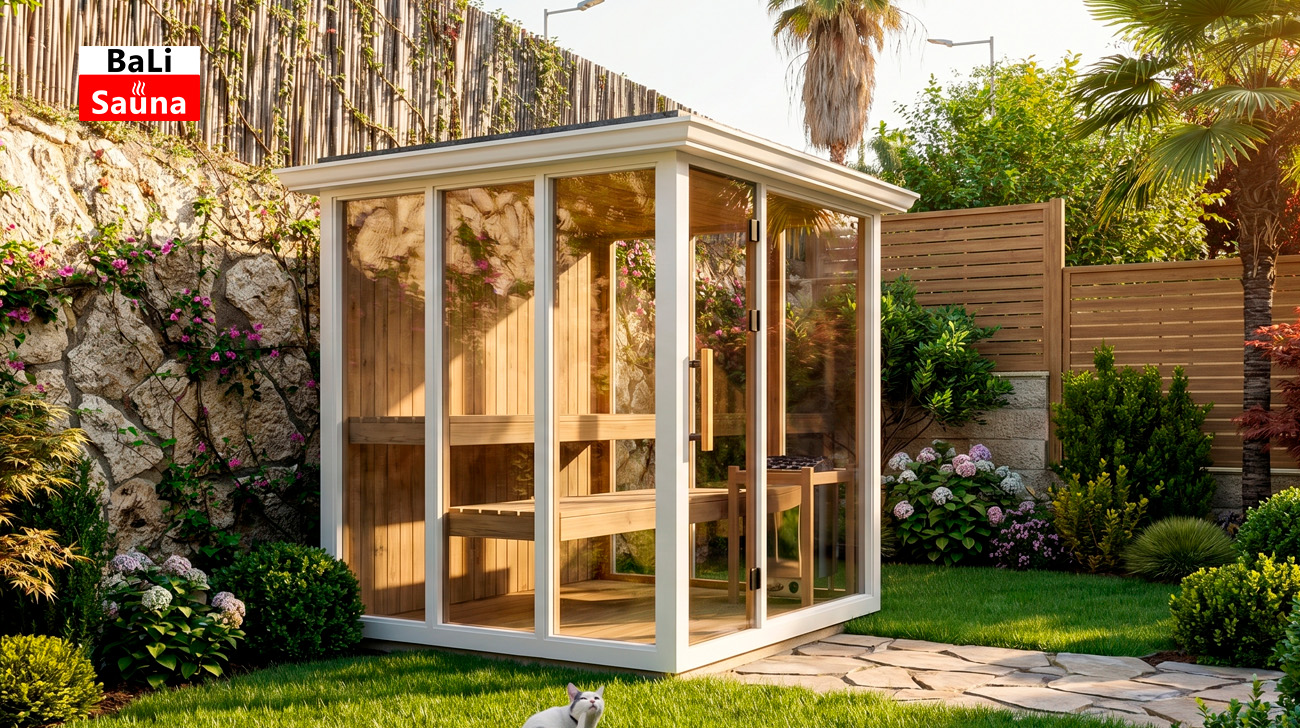
There’s something about Bali that has always captured the imagination of people seeking rest, healing, and a slower pace of life. The island’s approach to wellness isn’t just about relaxation — it’s rooted in centuries-old traditions that treat the body, mind, and spirit as one interconnected system. This philosophy has increasingly found its way into modern sauna and spa design, where natural materials, warmth, and ritual come together to create an experience far removed from the sterile gym sauna most people are used to.
For those looking to bring this kind of experience home, Bali Sauna offers a range of sauna solutions inspired directly by these Balinese wellness traditions, built with an emphasis on natural materials and craftsmanship.
Why Balinese wellness traditions translate so well into sauna culture
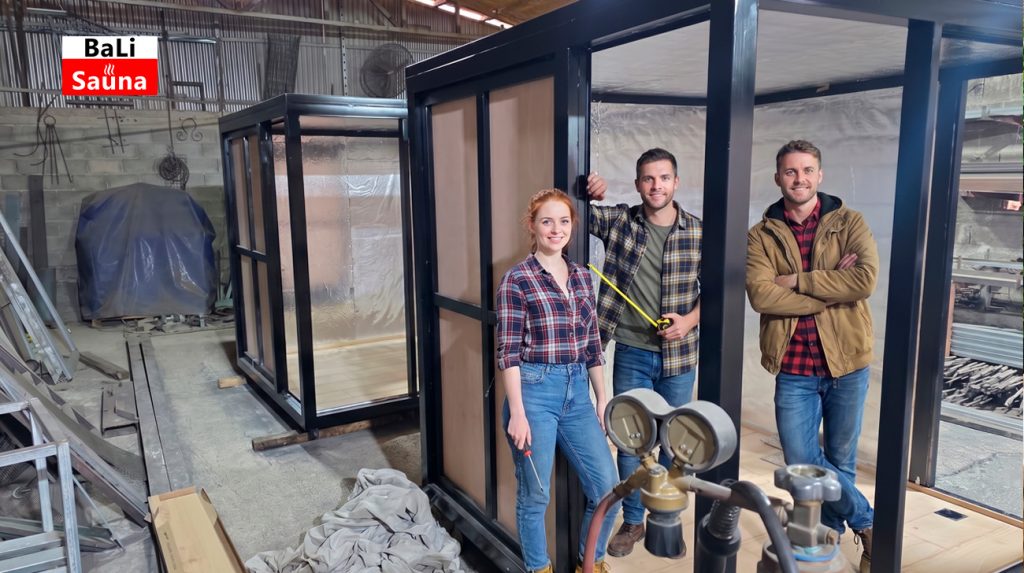
Bali’s approach to healing has always leaned heavily on natural elements — wood, stone, water, and heat — combined with mindful ritual. Traditional Balinese healing practices, often performed by local healers known as “balian,” incorporate heat therapy, herbal treatments, and massage as complementary tools for restoring balance in the body.
Modern sauna culture, at its core, shares this same philosophy: heat as a tool for physical release, mental clarity, and a pause from daily stress. When Balinese design principles — natural wood, open airflow, and organic textures — are applied to sauna construction, the result is an experience that feels less like a piece of equipment and more like a small sanctuary.
What sets a well-designed sauna apart
Not every sauna delivers the same experience, and the difference often comes down to a handful of practical and design considerations that are easy to overlook when shopping based on price alone.
| Factor | Why it matters |
|---|---|
| Wood type | Affects heat retention, aroma, and long-term durability against moisture |
| Ventilation design | Determines air quality and how evenly heat distributes inside the cabin |
| Heater quality | Impacts consistency of temperature and energy efficiency over time |
| Interior layout | Influences comfort during longer sessions, especially seating height and spacing |
Wood selection: the foundation of a good sauna
The type of wood used in sauna construction affects far more than appearance. Different woods respond differently to heat and humidity, and this directly impacts both comfort and how long the sauna will hold up over years of use.
- Cedar — naturally resistant to moisture and insects, with a distinct aroma many people associate with the sauna experience itself
- Abachi wood — lightweight and known for staying relatively cool to the touch even at high temperatures, making it a comfortable choice for benches
- Aspen — hypoallergenic and low-resin, a good option for those sensitive to strong wood scents
- Thermally treated wood — processed to enhance durability and moisture resistance without chemical additives
Practical tip: if you’re sensitive to strong scents or have allergies, ask about wood options before finalizing your sauna choice. Some woods release noticeable aromatic oils when heated, which can be a pleasant part of the experience for some people and overwhelming for others.
Premium features that elevate the experience
Beyond the basic structure, several additional features can significantly shift a sauna from a functional wellness tool into a genuinely luxurious retreat. Larger glass panels for natural light, integrated sound systems, ambient lighting controls, and premium heater technology all contribute to an experience that feels considered rather than purely utilitarian.
For those seeking a more elevated setup, Bali Sauna luxury models incorporate these premium elements, combining traditional Balinese aesthetic sensibilities with modern comfort features designed for extended, indulgent sessions rather than quick functional use.
Indoor versus outdoor placement
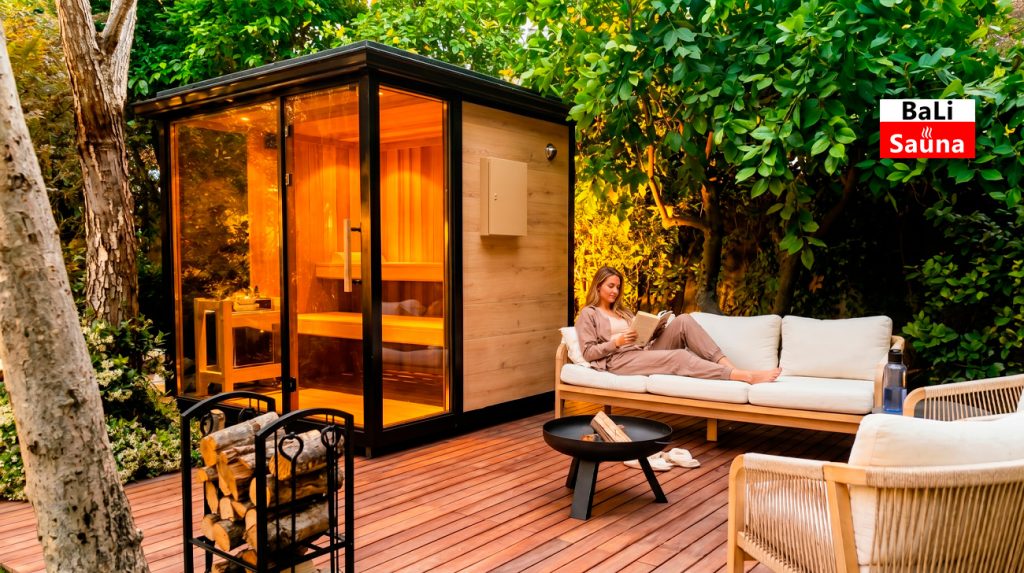
Where a sauna is installed changes both the design requirements and the overall experience. Indoor saunas typically integrate more seamlessly into daily routines, making regular use more likely simply due to convenience. Outdoor saunas, on the other hand, often lean into the ritual aspect — stepping outside, feeling the transition in temperature, and connecting with the surrounding environment before and after a session.
Outdoor installations require additional consideration for weatherproofing and insulation, particularly in climates with significant seasonal temperature swings, while indoor units need proper ventilation planning to manage humidity within the home.
Maintenance that keeps a sauna performing well for years
A well-built sauna requires relatively modest but consistent maintenance to stay in good condition. Regular ventilation between sessions prevents excess moisture buildup, which can otherwise lead to wood warping or mold growth over time. Periodic inspection of the heater and electrical components ensures consistent performance and catches minor issues before they become costly repairs.
Wiping down benches and walls after each use, along with occasional deeper cleaning using sauna-safe products, helps preserve both the wood’s appearance and its natural aroma — one of the small details that makes the difference between a sauna that still feels fresh after years of use and one that starts to show its age prematurely.